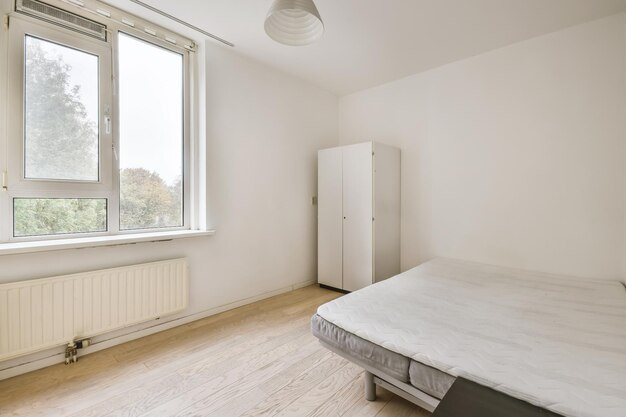
How to Create a Calm, Layered Living Room
A calm living room feels considered rather than empty. Its comfort comes from a balance of colour, texture, light and useful furniture, with each layer contributing to the whole. The aim is to crea...
Maison North Design is about creating interiors that feel thoughtful, comfortable and connected to the people who call them home. The design process can consider how a space is used, how natural and artificial light move through it, and how colour, texture and furniture work together. Rather than relying on a single look, each interior can be guided by the property’s character and the client’s own preferences. From early ideas to the finer details, the focus is on making considered choices that bring clarity and cohesion to a home. Explore an approach to interior design that balances visual character with everyday function, for spaces across England.
Good interior design is more than selecting attractive finishes. It considers the relationship between a room’s proportions, its daily uses and the atmosphere its occupants want to create. Maison North Design’s approach gives attention to those connected decisions, from the overall layout and palette to the materials and details that bring a scheme together. The aim is to make the design process clear and personal, while keeping each choice relevant to the home and the people who live there.
A home should support the routines and activities that take place within it. Thinking about how each room is used can help guide decisions about layout, furniture, storage and lighting before decorative details are settled. This practical starting point makes it easier to create interiors that feel natural to move through and comfortable to spend time in. The result is not a prescribed style, but a considered design direction shaped by the household’s needs, preferences and the character of the property.
Colours, finishes and textures influence how a space feels and how its different elements relate to one another. A carefully considered palette can bring a sense of continuity across rooms while still allowing each area to have its own character. Looking at materials together, rather than in isolation, helps clarify which combinations feel balanced within a particular home. The process can take account of existing features and personal taste, creating a design direction that feels connected to the property rather than borrowed from a passing trend.
Light and scale have a strong effect on the experience of an interior. Considering a room’s proportions, natural light and existing architectural details can inform choices about layout, colour, furnishings and artificial lighting. These elements are most effective when planned as part of the same conversation, so that the design feels harmonious throughout the day and across different uses of the room. Careful attention to these fundamentals helps create interiors that feel balanced without making unsupported promises about how a particular space will perform.
A thoughtful project begins with an open discussion about what matters to the people who will use the space. Priorities, preferences and practical considerations can be explored before design directions are developed, helping keep decisions grounded in the home and its occupants. Clear communication also gives clients an opportunity to ask questions and consider options as the design takes shape. Every property and brief is different, so the process should leave room for individual needs rather than assume that one solution will suit everyone.
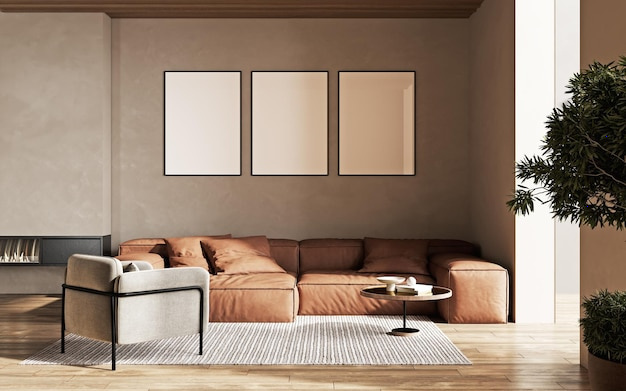
Illustrative placeholder, not a real client testimonial: “We wanted a home that felt more cohesive but still reflected our own tastes. The design conversation helped us think carefully about how we use each room, and the ideas around colour, lighting and furniture gave us a useful starting point. This sample text is provided to show the intended testimonial format and should be replaced with a genuine comment shared with the speaker’s permission.”
Interior design brings together practical and visual decisions. The layout, light, materials, colour and furnishings all influence how a home feels and functions. Considering these elements in relation to one another can help establish a coherent direction that reflects both the property and the people who live there.
There is no single formula for a successful interior, and no set of figures can describe the experience of every home. These four numbered themes are design considerations, not company performance statistics or claims about completed projects. They offer a simple way to explore the conversations that can shape an interior design brief, from understanding how a space is used to choosing details that feel personal and appropriate.
A calm living room feels considered rather than empty. Its comfort comes from a balance of colour, texture, light and useful furniture, with each layer contributing to the whole. The aim is to crea...
A home feels enduring when its colours and materials suit the architecture, work well in everyday life and remain appealing beyond a passing trend. In an English interior, that can mean pairing a c...
Natural light can make a small room feel more open, comfortable and connected to the outdoors. The aim is not simply to add reflective surfaces or paint everything white, but to help daylight trave...
Every home and design brief is different, so the answers below offer general guidance rather than promises about a particular project. If you have a question about an interior design enquiry, share the details that feel relevant and the next steps can be discussed directly.
This notice is placeholder website copy. Before collecting or using personal information, the site owner should publish an accurate privacy policy explaining what information is collected, why it is used, how long it is retained, and how visitors can exercise their rights. Read the Privacy Policy