Making the Most of Natural Light in Compact Rooms
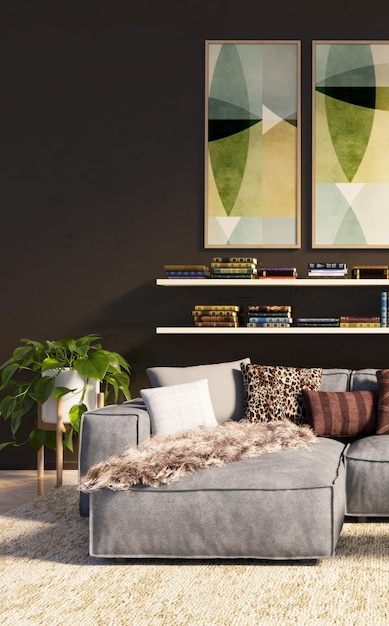
Natural light can make a small room feel more open, comfortable and connected to the outdoors. The aim is not simply to add reflective surfaces or paint everything white, but to help daylight travel through the space while keeping it practical and welcoming.
Keep the window area clear
Start by looking at what blocks light before it reaches the room. Tall furniture, bulky lamps and dense plants placed close to a window can cast shadows or interrupt the view. Where possible, move these items elsewhere or choose lower-profile pieces.
Window treatments also make a difference. Lightweight curtains or simple blinds can provide privacy without covering more glass than necessary. If you need heavier curtains for warmth or darkness, consider a design that can be drawn fully beyond the window during the day.
Choose a light-reflecting palette
Pale walls and ceilings generally help spread daylight around a room, but bright white is not the only option. Warm neutrals, muted greens and soft blues can keep a compact space feeling calm without making it seem stark. The right choice depends on the direction of the window, the room’s furnishings and how the colour appears at different times of day.
A sample painted on more than one wall can reveal how changing daylight affects a colour. Finishes with a gentle sheen may reflect more light than very matte surfaces, though a subtle finish is often easier to live with than a highly glossy one.
Arrange furniture to support the light
Avoid placing large pieces where they block the window or create a dark barrier across the room. A desk, sofa or dining table may work better positioned to receive daylight from the side rather than directly in front of or behind the user. In a narrow room, keeping a clear route from the window into the space can make it feel less enclosed.
Furniture with open legs or a visually lighter frame can also help preserve a sense of space. This does not mean every item has to be small; one well-proportioned main piece can feel more settled than several cramped alternatives.
Use mirrors with care
A mirror can reflect daylight into a darker part of the room, particularly when placed where it catches a view of the window or a bright wall. Before fixing one in place, try different positions and observe how the reflection changes throughout the day. A mirror that reflects a cluttered area may draw attention to it rather than make the room feel brighter.
Reflective details such as glass, polished metal or glazed ceramics can contribute to the effect, but too many can make a small room feel busy. A few considered surfaces are usually easier to balance.
Keep surfaces and sightlines simple
Clutter absorbs visual attention and can make a compact room feel crowded, even when it does not physically block the light. Use storage to keep everyday items organised, and leave some surfaces clear. Where the layout allows, maintain a view across the room or toward the window rather than breaking it up with unnecessary partitions.
Plants can bring colour and texture, but choose their position according to the available light and their needs. Avoid allowing foliage to cover much of the glazing.
Plan for changing daylight
In England, daylight varies with the season and weather, so a room should work beyond its brightest hours. Consider how the space will feel on an overcast day and in the evening. Layered artificial lighting—such as ambient light with focused task lighting—can support different activities without relying on a single harsh ceiling fixture.
At Maison North Design, we consider natural light alongside the room’s layout, privacy needs and everyday use. Small adjustments to window coverings, furniture placement and colour can often make a room feel brighter while preserving its character.